Best HRMS Platforms in 2026-2027: Top HR Software for Modern Businesses
Best HRMS software solutions allow companies to automate HRMS processes effectively, such as attendance, employee records and payroll. Manual HR operations easily create a situation where time, errors, and lack of consistency become a problem as companies grow. HR teams spend a lot of time in spreadsheets, on paperwork and doing repetitive administrative tasks that distract them from what they should be doing. AHuman Resource Management System (HRMS) can come in handy in this regard, and it also facilitates everything from onboarding to performance tracking. But with the plethora of platforms available in the current market, it is no easy task to select the right one.
The requirements of each business vary depending on the size of the business, industry, budget, and future plans of the business. There are some that look at the accuracy of payroll while others emphasize more on employee engagement or compliance tracking. You can’t tell if an HRMS has the juice to be a strong system by simply focusing on the flashy marketing or on the features at the surface level. This article explores the key considerations any business will need to consider before investing in any HR technology. At the end you’ll have a better understanding of which platform really is right for your organisation’s needs.
Fast Onboarding
Secure Cloud-Based
Employee Self-Service
Data Privacy & Security
Payroll Automation
Cloud vs On-Premise
Scalabiltiy & Integrations
What Makes an HRMS Platform Truly Effective
An HRMS system isn’t simply a digital replacement for paper documents, it’s a unified system for managing HR processes. Ideal systems will combine aspects of payroll, attendance, benefits management, and performance management all into one, cohesive solution. The integration eliminates data duplication and eliminates the mistakes that are frequently made when multiple disconnected tools are used. A robust platform also fits a company’s unique processes, not pressuring teams into trying to fit into a mold. It’s also important to consider user experience, as HR professionals and their employees will be using it regularly. Platforms that offer easy-to-use dashboards and mobile capabilities have better adoption rates between organizations.
Core Features to Look for in HRMS Software
Choosing HR technology isn’t a decision that can be taken lightly, as it always involves a number of unique features that directly affect your day-to-day operations. One of the most essential aspects of payroll automation is the ability to pay employees correctly and on time. Attendance andleave management software should provide the ability to track attendance in real time, while HR need not spend too much manpower in handling the process. Employee self-service portals allow employees to update information, apply for leave or access documents without relying on a boss or supervisor. Reporting and analytics are also significant features providing leadership with insight into workforce trends and possible problems. Compliance management capabilities are robust, enabling businesses to remain compliant with evolving labor regulations in various locales.
Payroll and Compliance Automation
The payroll system is the backbone of any HRMS system, as it has a direct impact on employee trust. automate tax calculations, manage deductions, and ensure compliance, alleviating HR administrative burdens. Up-to-date platforms minimise businesses’ legal challenges and penalties associated with regional labour law updates. It can be particularly helpful for businesses with operations in multiple states or countries.
Employee Self-Service Capabilities
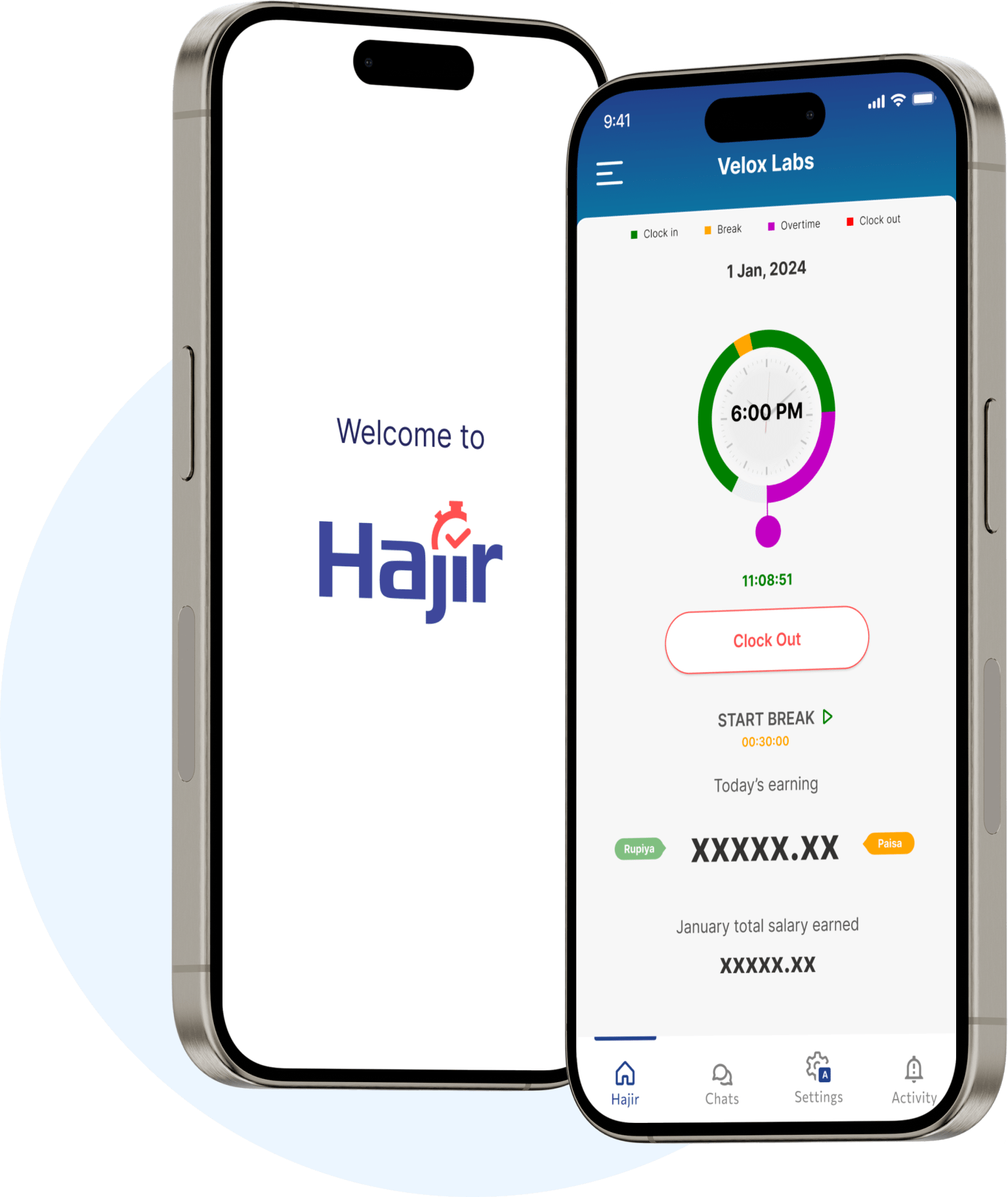
Today’s workers want to have some control over their personal HR needs and data.Self-service portals enable staff to access their payslips, request leave and update their personal information without HR’s assistance. This feature helps to enhance employee satisfaction and streamlines HR tasks, eliminating repetitive manual efforts. Self-service platforms that are mobile friendly will have greater engagement, especially from remote or distributed teams.
Comparing Cloud-Based and On-Premise HRMS Solutions
There are two main deployment options for HRMS that businesses are choosing cloud or on-premise, with each providing its own set of benefits. Cloud-based platforms provide for flexibility, automatic updates, and ease of access from virtually anywhere, anytime, or on any device. They are generally less expensive to set up, and good for small and mid-size businesses. Though not as popular today, on-premise solutions are attractive to companies that have data control needs or legacy systems. They can, however, be more expensive to maintain and require more IT resources to keep in check. Today, most growing businesses prefer the cloud-based HRMS platforms as they are scalable and have low operational cost.
Scalability and Integration Capabilities
What’s great for a company of twenty might not be as effective for a company of two hundred. Looking forward, another crucial factor is scalability, ensuring that the HRMS is capable of scaling as the volume and complexity of data grow over time. The integration options are also crucial, especially for companies that rely onproject management software, communication platforms, or accounting applications. The data does not silo and manual effort to maintain synchronization is minimized by seamless integration. It’s important for businesses to assess if the platform has open APIs or if they have pre-made integrations with widely used business tools.
Evaluating Cost Versus Long-Term Value
The pricing models of HRMS platforms vary significantly, depending on the features they provide, the deployment method, and/or the number of employees the platform supports. It’s important that cost is considered, but companies should not only go with the cheapest platform. Often the lower cost systems may have some important components which do not result in any benefits but in future result in inefficiencies or compliance issues. When assessing long-term value, it’s important to take into account not only cost, but also support, service and future scalability. In the long run, the greater investment may benefit with better accuracy, employee satisfaction and less administration.
Security and Data Privacy Considerations
HR platforms contain highly sensitive employee details, and security is a key consideration when choosing the platform. Effective HRMS solutions featuredata security measures like encryption, role-based access controls, and regular security reviews to safeguard data. Any compliance with data privacy regulations (GDPR or regionals) should also be part of the evaluation criteria. Companies managing multi-jurisdictional staff members are looking for platforms that can align to the different data protection requirements in various regions. Security is a critical consideration in a developer’s choice, as it can help avoid expensive data breaches or compliance issues down the road.
How Implementation Support Affects Long-Term Success
Even the most advanced HRMS system can fall apart if it’s not set up properly and with the help of onboarding. The smoother transitions are experienced by vendors that provide customer service, assistance during the migration process and deliver focused training. However, if not implemented properly, poor adoption rates and inaccuracies in data can occur, as well as employee and HR frustration. It is important for businesses to schedule a timeframe for onboarding, determine their support options, and ask for any post-launch support prior to making a platform decision. Vendors’ support is the deciding factor in determining the actual value of a platform.
Common Mistakes Businesses Make During HRMS Implementation
It’s not just about picking the right platform; the implementation process can make or break the success of an HRMS solution. There are numerous businesses that go about the rollout process too quickly, without performing ample data migration audits or employee training sessions. Others do not include HR personnel in the early stages, causing work processes that are not consistent with reality. To avoid these pitfalls, it is essential to carefully plan, communicate and keep realistic timelines in place during the full implementation process.
Frequently Asked Questions (FAQ)
It integrates HR processes such as payroll, attendance and employee records into a single, unified and automated system.
Yes, trusted platforms implement measures such as encryption, access controls, and compliance to safeguard sensitive data.
If you are making a lot of mistakes, you're doing a lot of manual workarounds, or you're having to scale up and down the technology, it's time to look into improving your HR tech.
The majority of modern solutions provide mobile access and self-service features geared towards remote workforce management.
It's crucial, as integrations help to eliminate data silos and save from manual efforts in related business systems.
Trusted by 1600+ Organisations
Why to Choose Hajir?
Efficiently manage payroll, leave, and communication to streamline
HR processes and enhance employee satisfaction.
HR processes and enhance employee satisfaction.
Cost Effective Solution
Automates manual processes, saving businesses on administrative costs and resources.
Cloud-Based Accessibility
Access your data anytime, anywhere—perfect for remote and hybrid work environments.
Customizable Features
Adaptable to your business needs, with features like shift scheduling, WPS compliance, and custom reporting.
User-Friendly Interface
Designed for simplicity, ensuring a smooth experience for both HR teams and employees.
Data Security & Compliance
Robust security measures protect sensitive employee information, meeting regional compliance standards.
Quick Implementation
Hassle-free setup and onboarding process that gets your HR operations up and running in no time.
Scalability
Whether for small businesses or large enterprises, it can scale to meet the needs of any organization.
Boost Employee Productivity
With automated processes and real-time updates, Hajir helps you focus on what matters most—growing your business
12h/6d Customer Support
Dedicated support ensures that your HR operations run without a hitch.
Download the App and Get Started
Get the app from Play Store and App Store